Ready to feel better?
Brainspotting can help.
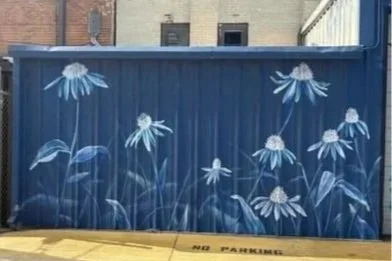
Art by Mari Pohlman. Located in Deep Ellum in Dallas, Texas.
Where you look affects how you feel…
Brainspotting is an approach to therapy that uses eye positions to help you access and resolve emotions, trauma, pain, and other issues within the subcortical brain. So much of therapy involves talking and insight, but analyzing a situation rarely helps our brain and our nervous system get unstuck. That’s why you can understand something without experiencing much change. With brainspotting, our eyes become a portal into the places in our body where we’re holding something old that needs to be processed. Once we’ve accessed and resolved these stuck places, things become a lot clearer. In other words, we can use simple tools to help you body do wants it wants to do naturally—heal and feel better. If you’re curious, reach out and let’s give it a try. It’s a highly experiential process.
FAQ
-
Brainspotting is easy and safe. You’ll identify an issue at the beginning of the session, and together, we’ll find your brainspot (eye position). Then I’ll guide you to focus on this spot, along with other spots as needed, for the majority of the session. From there, all you need to do is notice what comes up—what you think, feel, and experience in your body. You can share, or you can remain silent. Your brain will do the rest. You can’t do it wrong, but you can always ask for help.
Brainspotting unlocks your brain’s natural self-healing mechanism. David Grand, PhD developed this technique in 2003 when he found it could help clients bypass their thinking brain, so they could access and resolve issues in the emotional brain. He was initially an EMDR clinician, but EMDR didn’t work for all of his clients, so he’s been sharing the power of brainspotting over the past few decades. You can learn more about the research and trajectory of brainspotting on my Resources page.
After brainspotting sessions, some clients may feel tired, especially if they’ve worked on something big, and processing may continue for 12-72 hours. This is normal for all emotional and somatic work. Most clients love the results. They can often achieve their therapy goals in less time, so they feel better faster.
This Forbes article describes brainspotting in more detail: https://www.forbes.com/health/mind/brainspotting/
-
Talk therapy can be supportive because we all need to feel heard. Your conversations with a talk therapist may yield insights and help you learn new skills, but this is happening in the thinking brain. To really create change in most cases, we need to regulate the emotional brain and the nervous system as well.
When we’re Brainspotting, I will quietly hold space for you, speaking less than you might expect in talk therapy, while you focus on your body and whatever comes up. When you need support, I will be there to help you stay within your window of tolerance, and we’ll process the experience together at the end of the session. In some cases, I might suggest tools like glasses or music to enhance the process. You’ll also become familiar with the Brainspotting wand, and you may come to believe, as I do, that Brainspotting is magic!
Learn more about Brainspotting here: https://brainspotting.com/about-brainspotting/what-is-brainspotting/
-
I’m certified in Brainspotting.
To date, I’ve completed the following trainings:
Brainspotting Phase 1
Brainspotting Phase 2
Brainspotting Phase 5
Brainspotting Expansion
Brainspotting to Heal Shame, Self-Esteem & Impostor Syndrome
Unwire Pain with Brainspotting
I also regularly seek consultation with subject matter experts.
-
You can bring anything to a brainspotting session. We can target feelings about a recent event, longstanding patterns, trauma, grief, shame, chronic pain and other health issues, big decisions, emotional experiences, performance anxiety, hopes, dreams, and big goals. (Expansion work is my favorite!) If you’re wondering if brainspotting can help with a particular issue, please reach out and schedule a consult.
-
Yes! Brainspotting intensives are fantastic because they give you a chance to go deeper and resolve more in a way that can feel very spacious to your nervous system. You can learn more about my intensives offerings here: https://www.therapykat.com/intensives